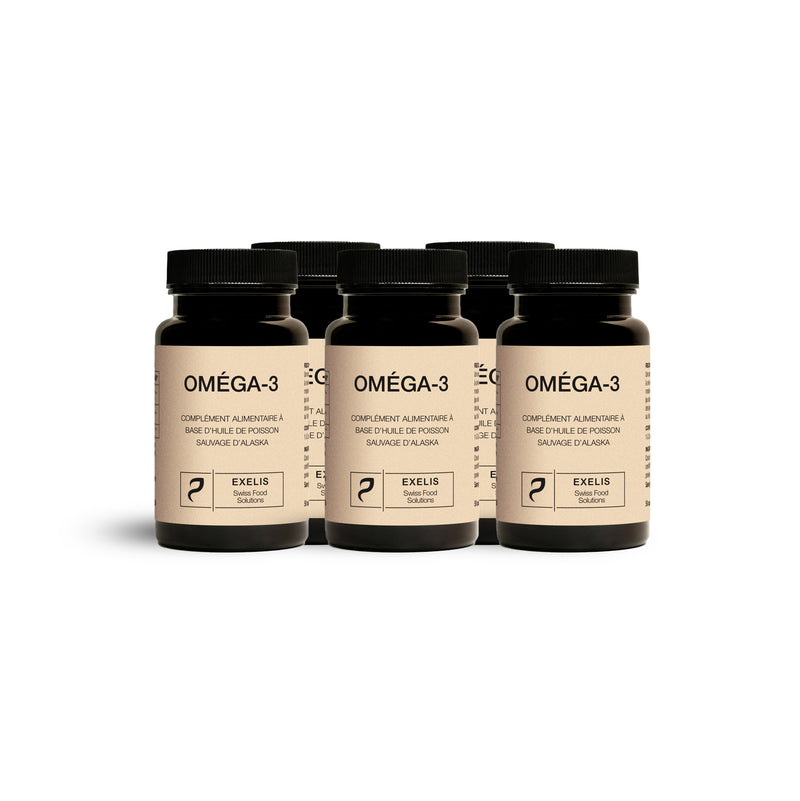
Eine essentielle Versorgung mit Omega-3-Fettsäuren zur täglichen Unterstützung Ihrer Gesundheit
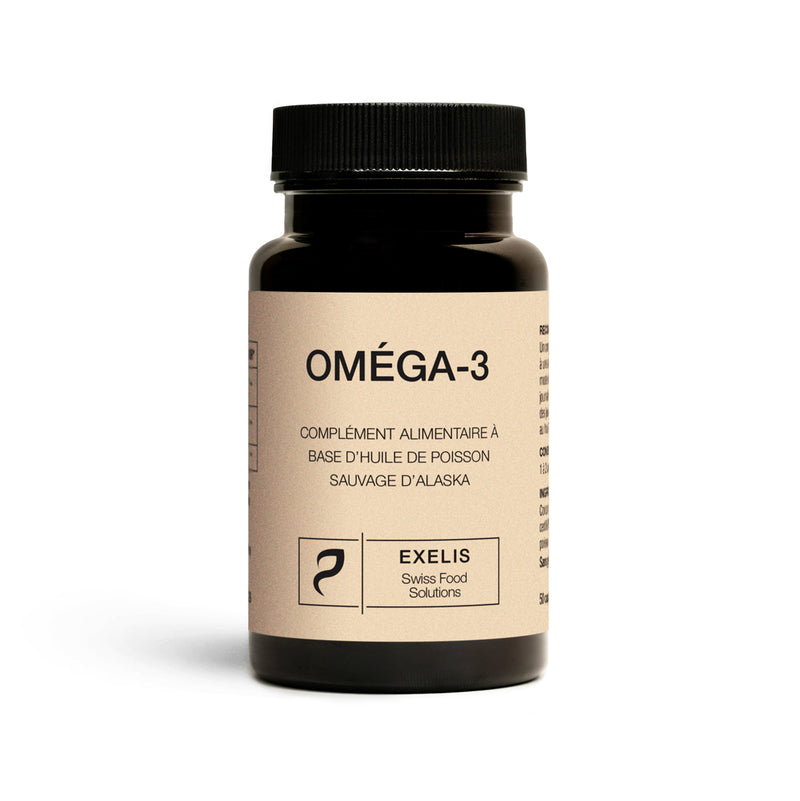
Unser Nahrungsergänzungsmittel auf Basis von Fischöl wird aus wild gefangenem Alaska-Seelachs gewonnen, der aus MSC-zertifizierter nachhaltiger Fischerei stammt. Dieses konzentrierte Öl ist von Natur aus reich an Omega-3-Fettsäuren : EPA, DHA und ALA – drei Verbindungen, die für ihre Wirkung auf die Gesundheit von Herz, Gehirn, Augen und vielem mehr anerkannt sind.
Da der Körper diese essentiellen Fettsäuren nicht selbst herstellen kann, müssen sie über die Ernährung oder ein geeignetes Omega-3-Präparat zugeführt werden. Unsere Formel auf Basis von Fischöl garantiert Ihnen eine optimale Versorgung – ohne Schwermetalle, in leicht verdaulichen und gut verträglichen Weichkapseln.
Die Vorteile von Omega-3 für das Herz-Kreislauf-System
EPA und DHA: die Fettsäuren für ein gesundes Herz
Die Omega-3-Fettsäuren, insbesondere EPA (Eicosapentaensäure) und DHA (Docosahexaensäure), haben ihre Rolle bei der Senkung des Triglyceridspiegels, der Regulierung des Cholesterins und der Prävention von Arterienablagerungen unter Beweis gestellt. Diese Fettsäuren tragen so zu einer besseren Durchblutung und einem guten Funktionieren des Herz-Kreislauf-Systems bei.
Die regelmässige Einnahme eines Omega-3-Nahrungsergänzungsmittels kann helfen, das Verhältnis zwischen Omega-3 und Omega-6 auszugleichen, das in der modernen Ernährung häufig aus dem Gleichgewicht geraten ist.
Omega-3 und Gehirnfunktionen: eine anerkannte Unterstützung
DHA und Zellmembran: im Zentrum des Gehirns
DHA ist die vorherrschende mehrfach ungesättigte Fettsäure in der Zellmembran der Neuronen. Es ist an der Nervenübertragung, der Konzentration und dem Gedächtnis beteiligt und spielt eine grundlegende Rolle für die Gehirnentwicklung bei jungen Menschen ebenso wie für den Erhalt der kognitiven Funktion bei gesunden Personen.
Sehvermögen und Augengesundheit: ein hoher DHA-Bedarf
DHA ist auch in hoher Konzentration in der Netzhaut vorhanden. Eine regelmässige Zufuhr über ein hochwertiges Fischöl hilft, ein gutes Sehvermögen zu erhalten und trockenen Augen oder altersbedingten Beschwerden vorzubeugen.
Omega-3 gegen Entzündungen
Die Omega-3-Fettsäuren besitzen natürliche entzündungshemmende Eigenschaften, die in vielen Bereichen nützlich sind: bei Gelenkschmerzen, der sportlichen Regeneration oder der Regulierung des Immunsystems. EPA wirkt auf die Entzündungsmediatoren und kann bestimmte chronische Entzündungsreaktionen reduzieren.
Was ist die beste Omega-3-Quelle? Fisch, Öle und Samen
Die natürlichen Nahrungsquellen
Zu den omega-3-reichen Lebensmitteln zählen:
Fette Fische wie Lachs, Makrele, Hering, Sardine, Thunfisch oder Sardelle
Bestimmte pflanzliche Öle wie Rapsöl oder Leinöl
Leinsamen, Chiasamen oder Hanfsamen
Aber Vorsicht: Pflanzliche Quellen enthalten nur ALA (Alpha-Linolensäure), deren Umwandlungsrate in EPA und DHA sehr gering ist. Der menschliche Körper kann sie zwar produzieren, jedoch nur in sehr kleinen Mengen. Es ist daher sinnvoll, EPA und DHA direkt über Nahrungsergänzungsmittel auf Fischölbasis zuzuführen.
Warum unser Omega-3-Präparat wählen?
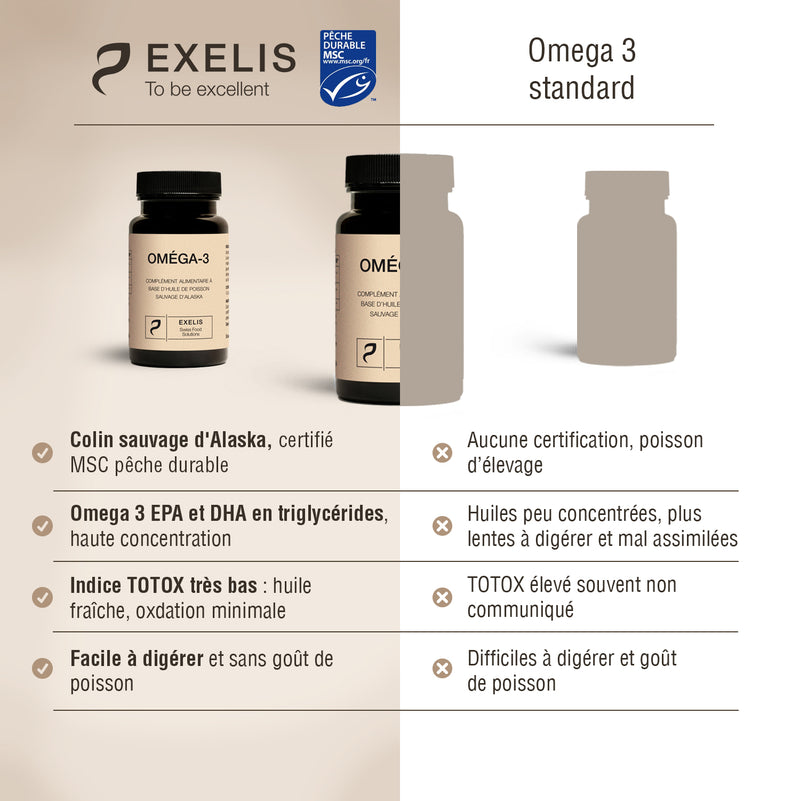
Unser Öl stammt ausschliesslich aus wild gefangenem Alaska-Seelachs, der verantwortungsvoll gefangen wird. Jede Kapsel enthält ein stabiles Fischöl, gereinigt, ohne Zusatzstoffe oder Verunreinigungen, reich an essentiellen Fettsäuren.
MSC-zertifiziert: Schutz der Fischbestände, mariner Lebensräume und der Fischer
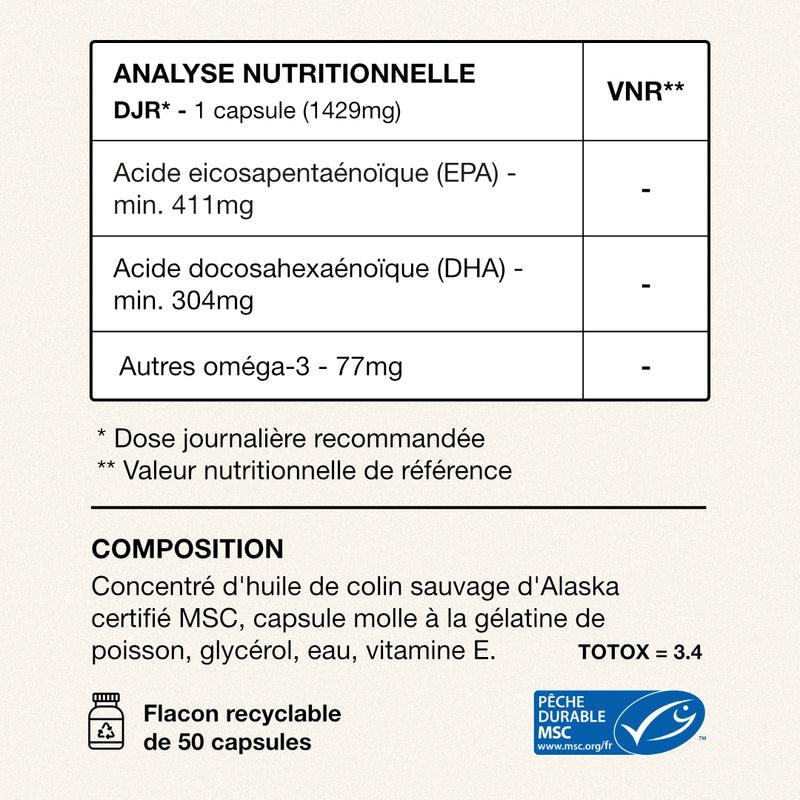
Reich an Omega-3-EPA und DHA in ihrer natürlichen Form
Natürliches Vorhandensein von Vitamin E als schützendem Antioxidans
Leicht verdaulich und ohne Fischgeschmack
Empfohlene Nährstoffzufuhr für Omega-3-Fettsäuren
Die empfohlene Nährstoffzufuhr von Omega-3 variiert je nach Alter, Lebensstil und Gesundheitszustand. Gemäss den in der Schweiz geltenden Empfehlungen (BLV) wie auch in der Europäischen Union wird eine regelmässige Zufuhr von EPA und DHA als vorteilhaft für die Herz-Kreislauf-Gesundheit, die Gehirnfunktion und die Sehkraft anerkannt.
So empfiehlt die französische Lebensmittelsicherheitsbehörde (heute ANSES) beispielsweise, regelmässig mehrfach ungesättigte Fettsäuren zu konsumieren, insbesondere EPA und DHA, vor allem bei Personen, die nicht ausreichend Fisch essen.
Bei Vegetariern und Veganern kann ergänzend ein Nahrungsergänzungsmittel auf Basis pflanzlicher, DHA-angereicherter Quellen (aus Mikroalgen) in Betracht gezogen werden, da Leinsamen allein nicht ausreichen.
Pflanzliche Öle vs. Fischöl: was ist der Unterschied?
Pflanzliche Öle sind für die Zufuhr von ALA interessant, doch nur EPA und DHA wurden in umfangreichen klinischen Studien auf ihre gesundheitlichen Wirkungen untersucht. Zudem sind pflanzliche ungesättigte Fettsäuren oxidationsanfälliger.
Unser Fischöl, von Natur aus reich an DHA und EPA, stellt eine direkte, stabile und hoch bioverfügbare Quelle dar.
Für wen?
Dieses Nahrungsergänzungsmittel eignet sich:
Für alle Personen, die ihr Herz-Kreislauf-System unterstützen möchten
Bei Konzentrationsschwierigkeiten, Gedächtnisproblemen oder mentaler Erschöpfung
Für Personen mit einem Omega-3 / Omega-6-Ungleichgewicht
Für jene, die wenig fetten Fisch konsumieren
Für Sportler oder in Phasen erhöhten oxidativen Stresses
Nahrungsergänzungsmittel auf Omega-3-Basis: was Sie wissen sollten
Lebensmittelsicherheit hat für uns Priorität. Deshalb wird unser Produkt auf Schwermetalle, Rückstände und den TOTOX-Index streng kontrolliert – mit rigoroser Qualitätssicherung auf jeder Produktionsstufe.
*MSC-Label für nachhaltige Fischerei
Das verwendete Fischöl stammt aus MSC-zertifiziertem Wildseelachs aus Alaska.
Nachhaltige Fischerei lässt genügend Fische im Ozean, schützt marine Lebensräume und ermöglicht es den Menschen, die von der Fischerei abhängig sind, ihren Lebensunterhalt zu verdienen.
Die 3 Grundsätze des MSC-Labels:
Nachhaltige Fischbestände
Der Fischereiaufwand muss auf einem Niveau liegen, das die langfristige Bestandserhaltung der Fischpopulationen sicherstellt.
Minimierte Umweltauswirkungen
Die Fischereiaktivitäten müssen so bewirtschaftet werden, dass Struktur, Produktivität, Funktion und Vielfalt des Ökosystems erhalten bleiben.
Effektives Fischereimanagement
Die Fischerei muss die geltenden Gesetze einhalten und über ein Managementsystem verfügen, das eine Anpassung an verschiedene Veränderungen ermöglicht.
Zusammenfassung der Vorteile
Unterstützung des Herz-Kreislauf-Systems
Gehirnfunktion und Gedächtnis
Augengesundheit
Entzündungshemmende Wirkung
Zufuhr essentieller Omega-3-Fettsäuren
Reines Fischöl aus nachhaltigen Nahrungsquellen