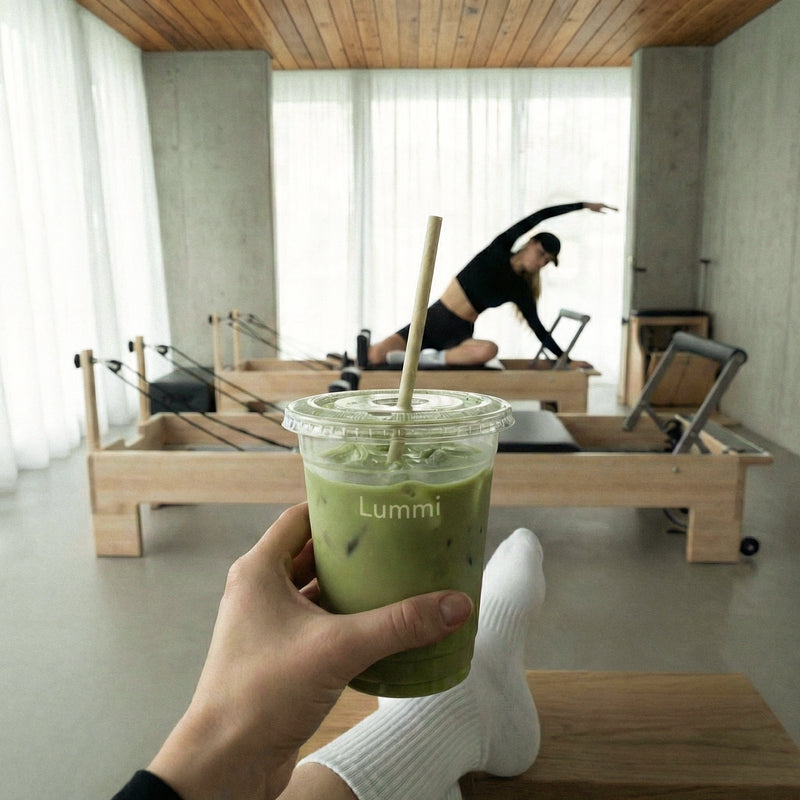
There is something almost magical about starting your day with a carefully prepared bowl of matcha tea. This gesture, rooted in Japanese tradition for centuries, has crossed borders to find its place in our kitchens and even on our Instagram feeds. But beyond the aesthetics, what does this powdered green tea truly have to offer for beauty? And more importantly: what happens when it is enriched with glycine, zinc and biotin? This article unpacks its strengths, explains why Lummi chose to go further than a simple tea, and how this fine matcha powder earns its place in your morning ritual.
What is organic Japanese matcha tea?
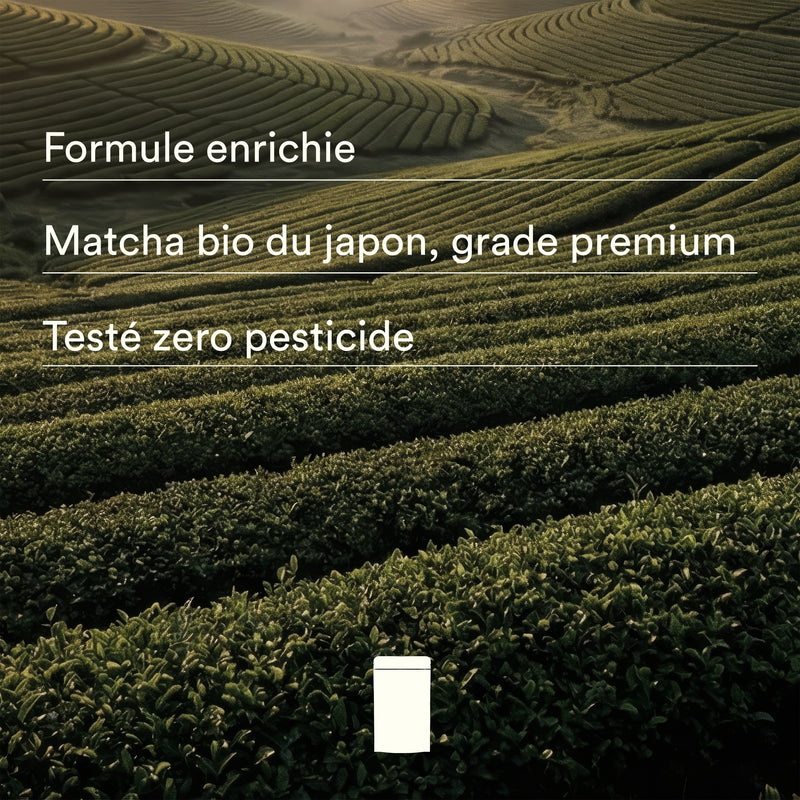
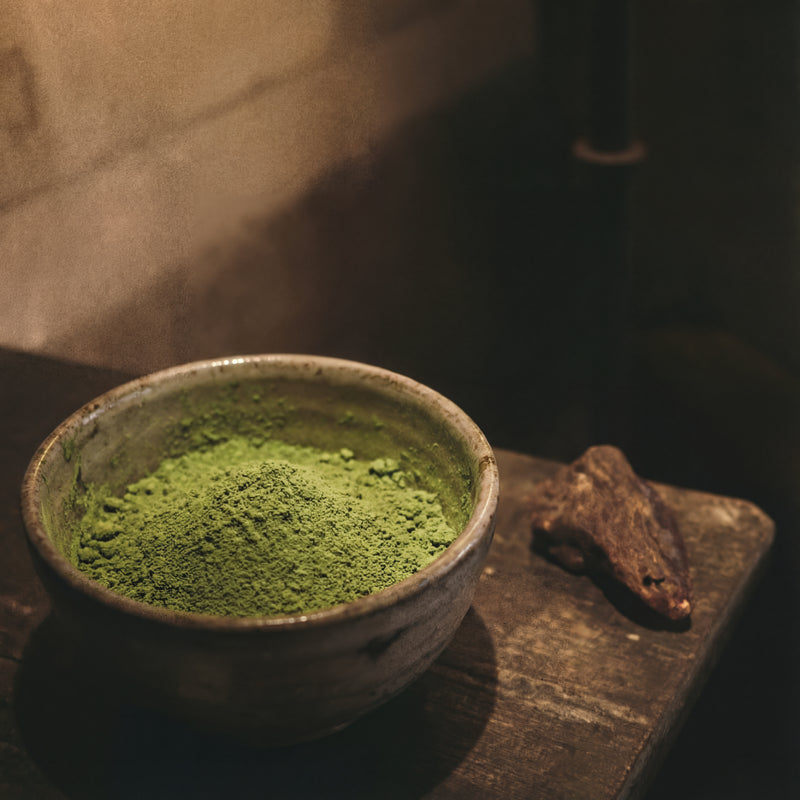
It is not simply ground green tea. Several weeks before harvest, the tea plant is shaded so the leaves produce more chlorophyll and amino acids — this is the process that gives this powder its deep green colour and its nutritional density. The leaves are then dried and stone-ground until they reach a texture that dissolves smoothly in water. The organic version guarantees the absence of pesticides. Since you consume the whole leaf rather than a filtered infusion, the organic certification is a genuine assurance about what you are putting into your body. A good product is recognisable by its vivid colour (never khaki), its fresh and grassy scent, and the complete absence of any bitter aftertaste.
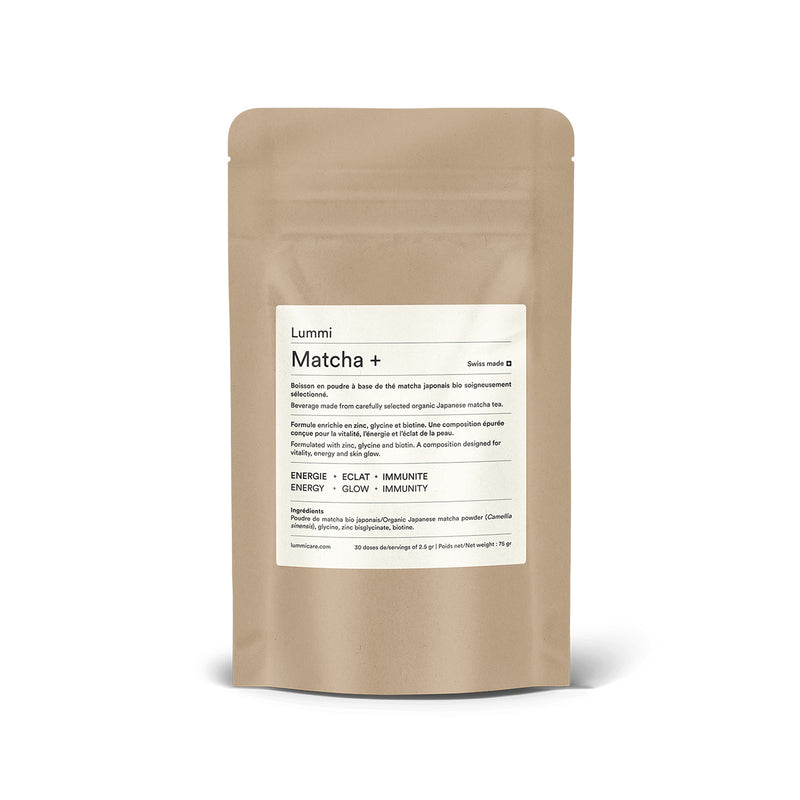
Lummi Matcha+: glycine, zinc and biotin, three nutritional ingredients added to matcha
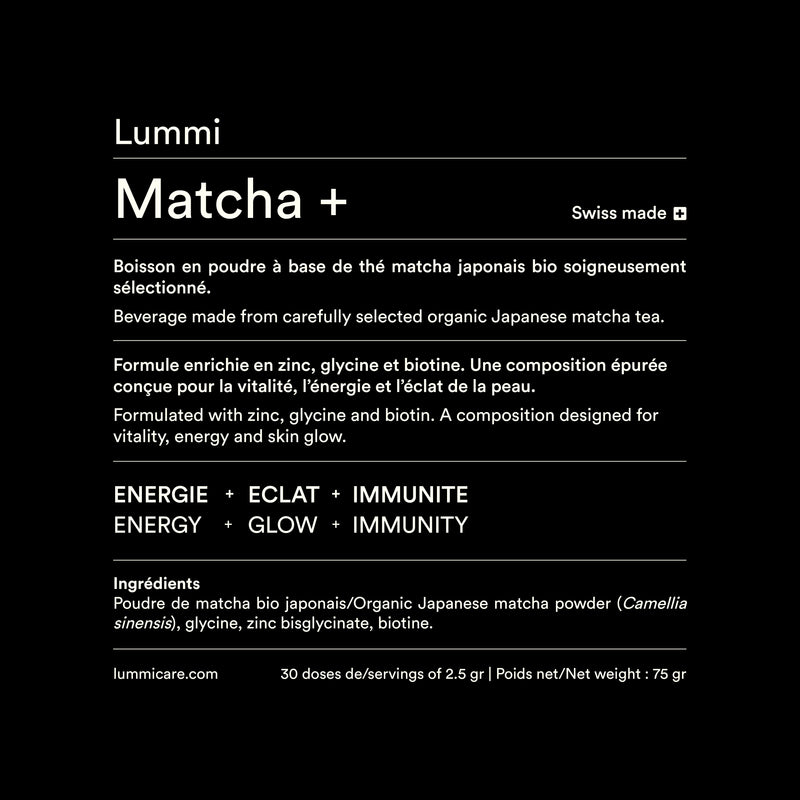
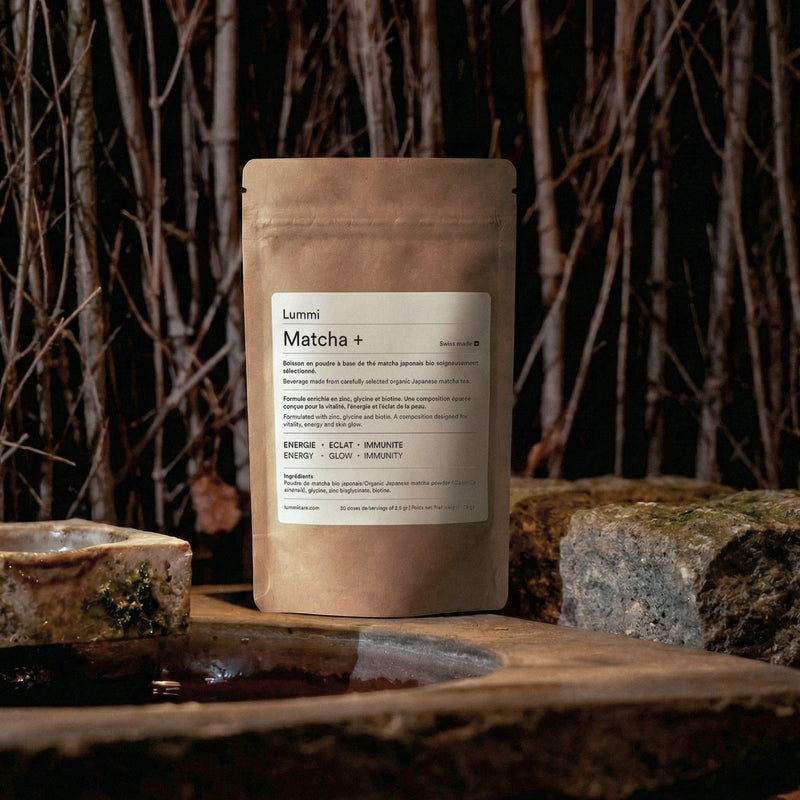
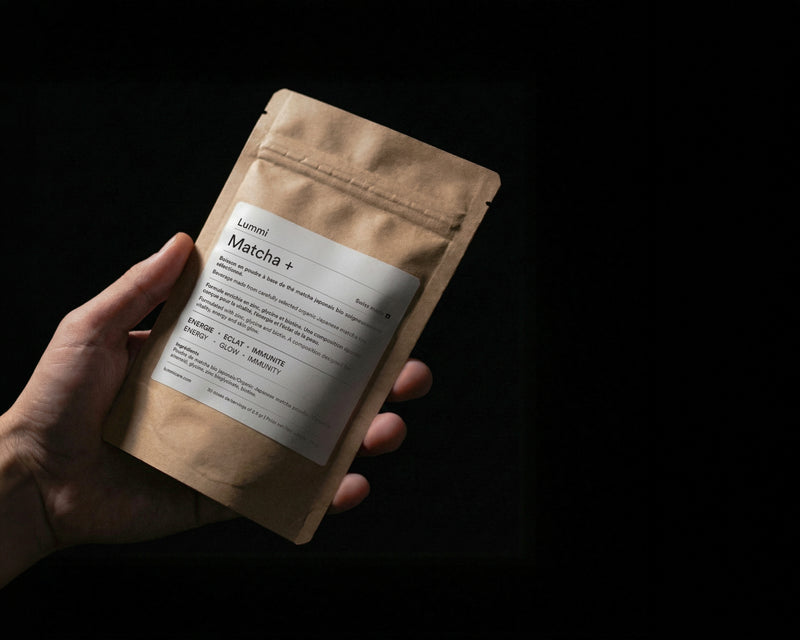
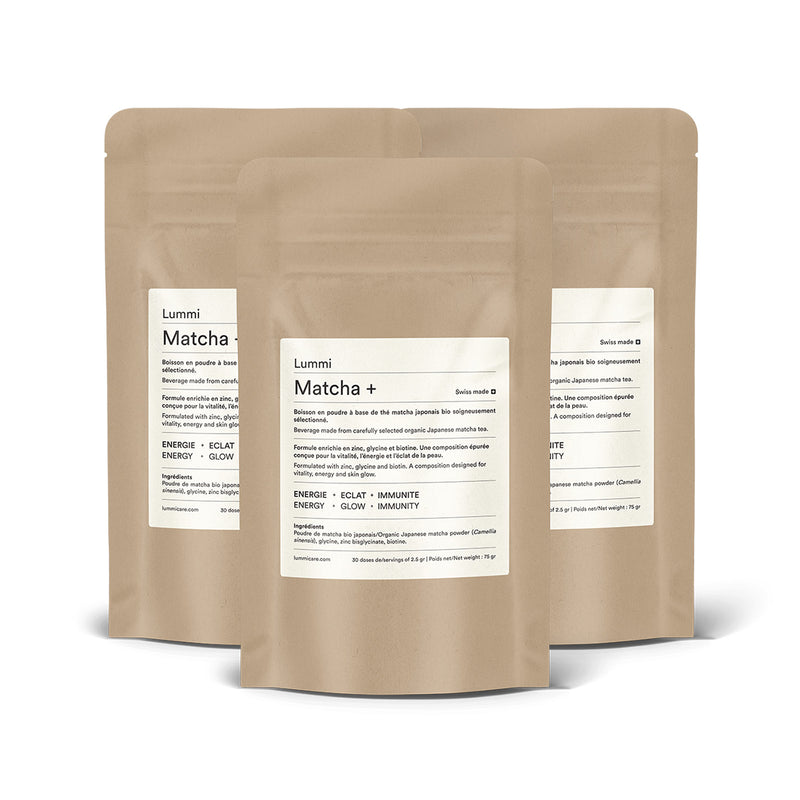
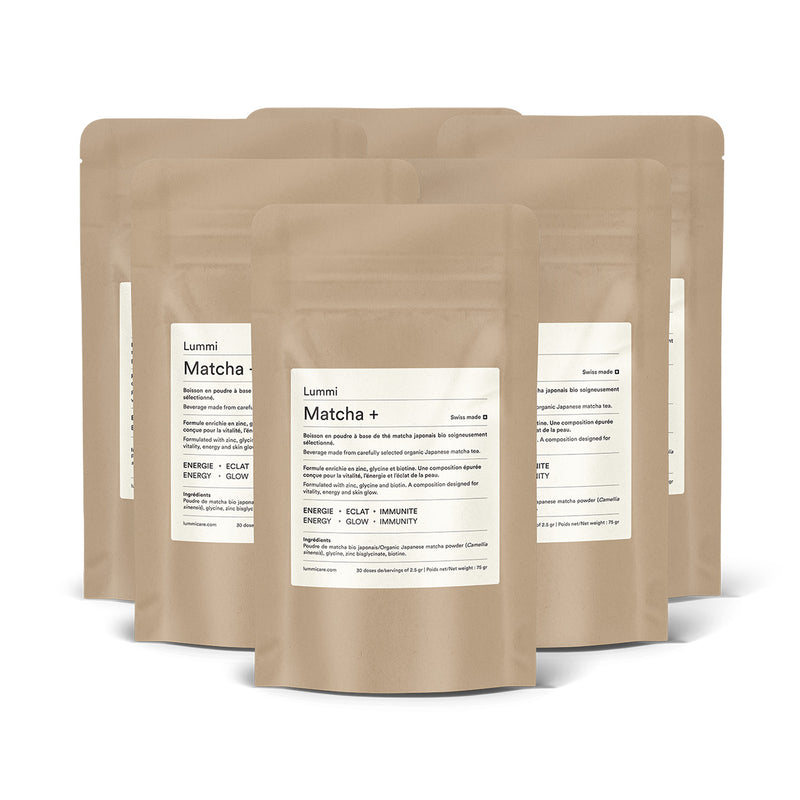
A classic matcha green tea, however good, remains a matcha. Lummi chose to transform this drink into a true daily beauty supplement by adding three targeted natural ingredients. Glycine is an amino acid that is a precursor to collagen, directly involved in the structure of the skin, hair and nails. Zinc contributes to protecting cells from oxidative stress and to maintaining healthy skin. Biotin (vitamin B8) supports hair beauty from within and contributes to energy metabolism. The result: a single drink that combines the gentle energy of Japanese tea, the antioxidant richness of premium matcha and targeted beauty support, with no capsules, no separate supplement. Available in pouches of 30 cups, Matcha+ is prepared exactly like a pure matcha, with hot water at 70°C, and delivers its many benefits in a single gesture.
Why is this green tea powder so rich in antioxidants?
The secret lies in one molecule: EGCG (epigallocatechin gallate), a catechin whose concentration far exceeds that of any other tea. This antioxidant neutralises free radicals — those unstable compounds that degrade cells, accelerate skin ageing and weaken the hair fibre. By consuming the whole leaf ground into a powder rather than a simple infusion, you absorb the full range of these protective compounds. This antioxidant richness is accompanied by vitamins C, E and K, magnesium and chlorophyll. These elements work together to support collagen production, strengthen the skin barrier and oxygenate tissues. It is this combination, concentrated in powder form, that makes this tea recognised for its benefits among natural beauty ingredients. In the Lummi formula, this base is amplified by zinc, which also helps protect cells against oxidative stress.
What are the benefits of matcha for the skin?
On oily and combination skin, this active ingredient regulates sebum and tightens pores thanks to its astringent properties. Its antibacterial compounds target the bacteria responsible for blemishes without disrupting the skin microbiome. As a daily drink, these compounds work from within, and the effects on radiance become visible within a few weeks. Less well known, the action of natural caffeine on microcirculation deserves attention. By stimulating blood flow at the surface, it improves cell oxygenation and helps nourish skin tissue more effectively. This mechanism explains why this tea is regarded as a first-choice ally. With the addition of glycine in Matcha+, you also support collagen synthesis, for an overall effect that is more complete than with tea alone.
Matcha or coffee: which drink for morning energy?
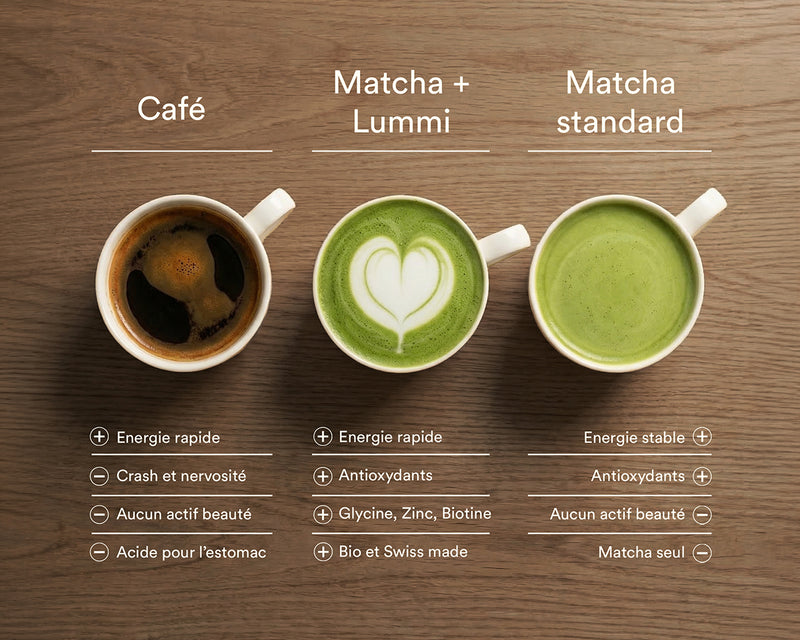
Coffee delivers a fast caffeine spike — in 20 to 30 minutes, energy shoots up, then often drops just as quickly, bringing with it jitteriness, shaky hands or a mid-morning slump. Matcha works differently. Its caffeine is released gradually thanks to L-theanine, an amino acid that modulates absorption and promotes a state of calm focus rather than nervous stimulation. In practice, where an espresso gives you 2 hours of energy followed by a dip, a cup of matcha maintains a steady level for 4 to 6 hours, with no spike or crash. On the stomach, the difference is just as clear: coffee stimulates gastric acidity, which causes problems on an empty stomach for many people, while matcha is naturally gentler on the digestive system. With Matcha+, glycine reinforces this advantage further — it is known for its soothing action on the gastric lining, and it is what gives the drink its slight natural sweetness without any added sugar. For those looking to hold on to morning energy without the drawbacks of coffee, switching to matcha is often the simplest and most lasting change to make.
What can matcha do for hair?
This green tea creates a favourable environment for hair health thanks to its polyphenols, which protect follicles from oxidative stress. But for optimal results on hair, it is the combination with targeted micronutrients that makes the difference. In the Matcha+ formula, zinc contributes to maintaining healthy hair, while biotin plays a role in the structure of the hair shaft. This combination supports hair vitality and restores its shine — not the plastic-coated look of chemical coatings, but a natural radiance that comes from a better-nourished body. This is the kind of worthwhile result that calls for consistency.
Why choose the organic version?
With this powder, the question is a serious one. Unlike a fruit you peel or a classic tea you filter, this ingredient is consumed as it is, whole leaf included. Any pesticide residues are not removed by preparation. For an ingredient consumed every day, the choice of organic is clear. Premium grade represents the very best: harvested in the first picks, it has a higher nutrient concentration than culinary grades. It is not the same product, and the difference is felt. For daily use, a quality matcha is the investment that counts.
How to use matcha every day: ritual and preparation
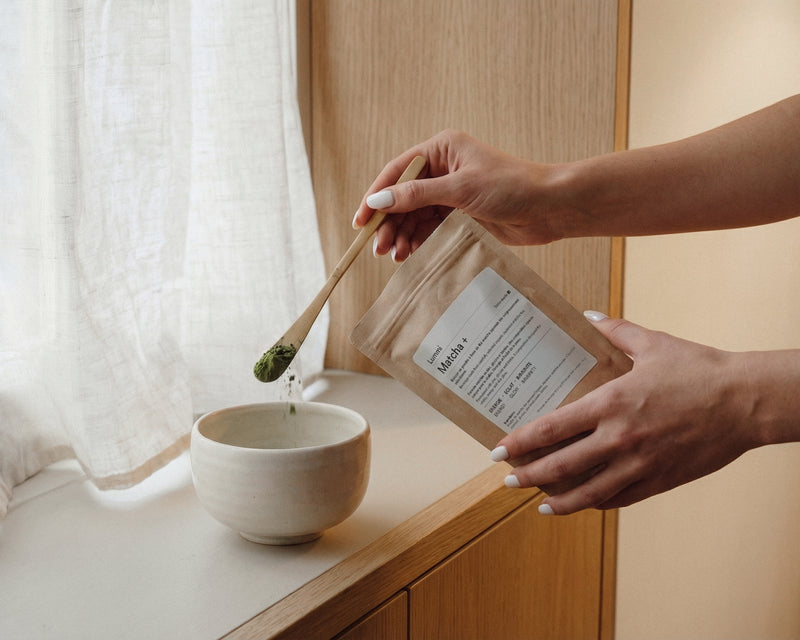
Preparation takes just a few moments: one teaspoon of powder (approximately 2.5 g) and hot water at 70°C. You can whisk the drink with a chasen or an electric frother to get a smooth, creamy blend. For a latte, simply add the milk of your choice and enjoy it hot or iced. This tea also works well in smoothies or porridge. The theanine provides gentle, lasting energy, quite different from the stimulation of coffee. A few grams easily cover several weeks, and it is one of the best ways to simplify your inside-out beauty ritual. Matcha+ fans particularly appreciate the natural taste of the formula, lightly softened by glycine, and the absence of the jitteriness that comes with coffee.
How to fit matcha into your routine without any fuss?
Morning is the ideal time: one measured dose, water at 70°C, two minutes of preparation. This single daily gesture forms the heart of an inside-out care routine. What matters is keeping the rhythm: a regular routine over three weeks is worth far more than ten products used just once. You can also add it to a smoothie to enjoy its benefits without even thinking about it.
Which product to choose based on your profile?
The plain powder suits those looking for a simple drink. Matcha+ is better suited to people wanting a multi-targeted intake — energy, beauty, weight management — all in one gesture, thanks to the addition of glycine, zinc and biotin. For different types of needs, it is also possible to combine Matcha+ with Lummi's hair supplements for a more complete overall result.
Key takeaways
- This tea is made from whole leaves shaded before harvest: no other tea offers the same richness in protective compounds.
- EGCG protects skin and hair cells from oxidative ageing.
-
Lummi Matcha+ goes beyond tea: glycine supports collagen, zinc protects cells, biotin strengthens hair.
- For skin: sebum regulation, antibacterial action, microcirculation stimulation, collagen support via glycine.
- For hair: zinc and biotin contribute to maintaining healthy hair.
- The product is made in Switzerland and shipped by express delivery.
- A consistent routine delivers visible, lasting results.
- Matcha+ is not recommended for those under 18 or for pregnant or breastfeeding women.