

As Christian Petten, an ASCA-accredited nutritionist, explains, osteoarthritis is a chronic, degenerative joint disease. It is characterised by wear and tear or destruction of the cartilage, or even of the entire joint. Painful and disabling, it is linked to factors such as age, metabolism, joint overload or genetics.
Together with arthritis, osteoarthritis is one of the most common joint diseases (rheumatism): over 12% of the Swiss population suffers from one or the other, and the proportion rises to a third of the over-75s. Women are affected more often than men (16.9% versus 9.9% in 2022) (FOPH, Swiss Health Survey).
|
Osteoarthritis or arthritis? What's the difference? Arthritis is a joint disease of inflammatory origin: it is the inflammation itself that damages the joint. Osteoarthritis, on the other hand, is a mechanical condition: the joint is damaged by wear and tear combined with insufficient regeneration. This can lead to inflammation and pain, but they are not the primary cause of the disease. |
According to Christian Petten, it is therefore essential to act on two levels: limiting wear and tear of the joint and promoting its regeneration. Some risk factors for osteoarthritis can be influenced by diet: excess weight, chronic inflammation, a nutrient-poor diet, hormonal or metabolic disorders, insufficient vitamin D levels and the accumulation of AGEs (Advanced Glycation End-products). Others cannot: sex, ageing, genetic predisposition, joint injuries, repeated overload and congenital joint diseases.
He also points out that while anti-inflammatory drugs, taken on medical advice, can offer temporary relief, they do not act on all the underlying causes. If you have persistent joint pain, stiffness or swelling in a joint, see a doctor for a diagnosis.
Osteoarthritis foods to avoid: why?
Before shedding light on foods to avoid, it's worth giving a few reasons for shunning them. Here are two reasons to avoid certain foods.
To avoid aggravating inflammation or pain
Osteoarthritis is not a curable disease at the moment. However, it is possible to relieve the pain of osteoarthritis and improve the patient's quality of life. Diet can contribute in its own way.
Certain foods are best limited, as they are suspected of promoting inflammation in the joints. It is therefore better to avoid them if you wish to limit the pain of osteoarthritis. Foods that can promote inflammation include those rich in sugars and saturated or trans fatty acids.
As Christian Petten stresses, the causes of chronic inflammation are very diverse, and a full check-up helps identify them. Regularly eating foods studied for their anti-inflammatory properties (see the table below) is a good starting point.
He also mentions bromelain from pineapple and curcumin from turmeric, which are being studied in osteoarthritis: a meta-analysis of clinical trials suggests an effect of turmeric extracts on joint symptoms (Daily et al., 2016). Supplementation may be considered, after asking your doctor or pharmacist for advice (see the precautions at the end of this article).
To avoid weight gain
If you're overweight, losing weight can help reduce joint pain. On the other hand, excess weight can accentuate pain: it places a permanent overload on the joints, and therefore increases wear and tear. It is also a recognised risk factor for knee osteoarthritis (Blagojevic et al., 2010). In addition, obesity is often accompanied by metabolic, inflammatory and hormonal disorders. In the case of osteoarthritis, limit foods that could lead to excess weight gain.
If you're overweight, try to lose weight to reduce pain. Excess fat may also have a biological effect on joints, beyond the mechanical overload. In overweight people with knee osteoarthritis, moderate weight loss improves physical function and may reduce pain (Christensen et al., 2007); for osteoarthritis of the hand, data are more limited. It is important to select the right foods from each group.
Christian Petten strongly recommends being supported by a specialist, as a poorly designed diet can cause additional harm and end in failure. Don't hesitate to make an appointment with an experienced dietitian or nutritionist.
In the meat category
Meat is an important source of nutrition. However, not all meats are recommended for osteoarthritis. Find out which ones are best limited.
Avoid red meats

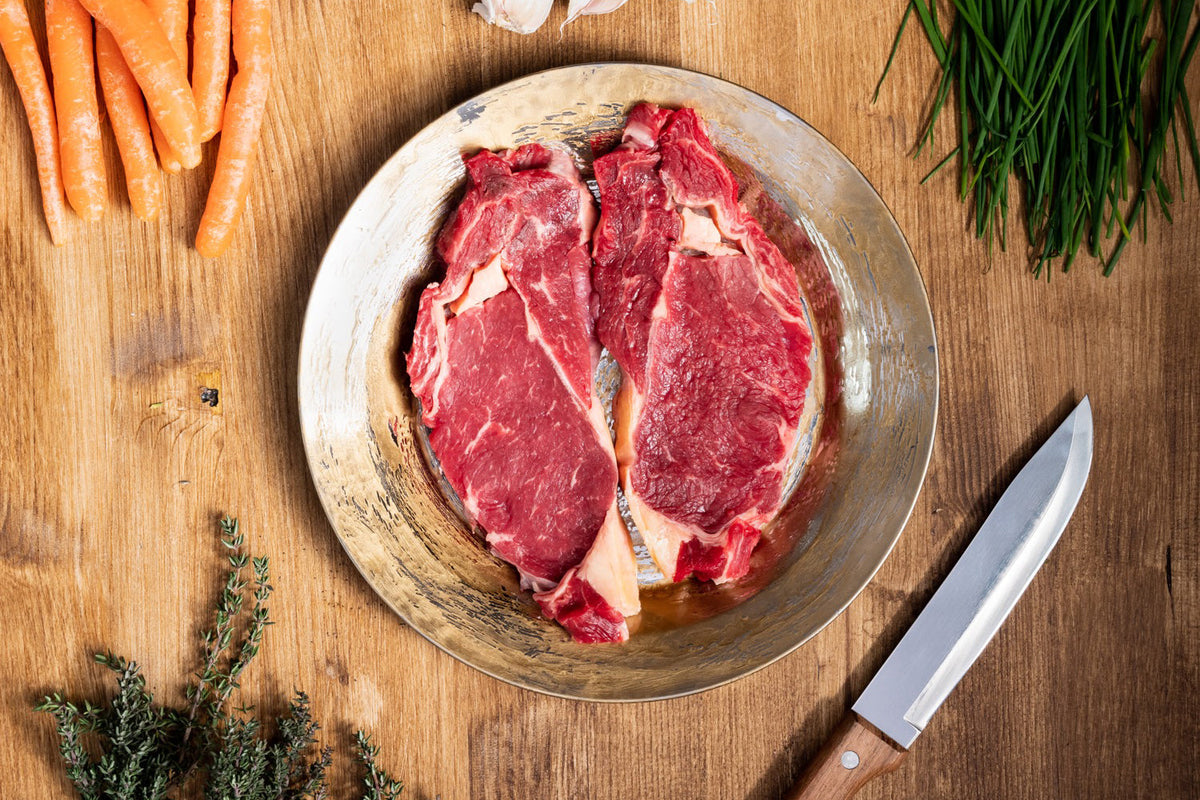
Meat provides the body with essential nutrients such as protein. That's why you shouldn't deprive yourself of it completely. Red meat provides iron, which is essential for blood formation. However, according to some nutritional approaches, eating a lot of red meat tends to increase metabolic waste in people suffering from osteoarthritis.
Excessive consumption of red meat is therefore not recommended. This metabolic waste could amplify joint pain, although this link remains to be confirmed. Red meat comes from the muscle tissue of beef, lamb, goat, etc.
Don't eat fatty meats
Fatty meats are rich in saturated fats. They are not recommended for osteoarthritis. What's more, when eaten in excess, these fats promote weight gain. Excess weight is bad for joints. You can replace this meat with fatty fish or white meat.
Or eat lean meat from the white parts of poultry, such as chicken breast. Combine these foods with foods studied for their anti-inflammatory properties (see the table below).
In the lipid category
Eat moderate amounts, and avoid certain vegetable oils.
Two types of oil to avoid
Oils have their place in a healthy, balanced diet. They are also ideal for cooking. For osteoarthritis sufferers, we advise against sunflower and peanut oil in particular. Why is this?

These vegetable oils are rich in omega-6 (peanut oil also contains a lot of omega-9) and contain only a very small proportion of omega-3. An excessive intake of omega-6 at the expense of omega-3 is unfavourable to the inflammatory balance: arachidonic acid, an omega-6, is the precursor of inflammatory mediators, whereas long-chain omega-3s (EPA and DHA, found in oily fish) can partly inhibit several mechanisms of inflammation (Calder, 2017). All these reasons work against sunflower and peanut oil.
On the other hand, consumption of other vegetable oils is encouraged. These include rapeseed, olive and linseed oils. It's also important to vary sources, respect their use (cooking or seasoning) and avoid overindulgence.
According to Christian Petten, maintaining the omega-3 / omega-6 balance is crucial. Reducing omega-6 is generally the most appropriate option, as they are usually present in largely excessive amounts in the modern diet. This is mainly due to the high consumption of vegetable oils with an unbalanced polyunsaturated fatty acid profile.
| Foods to include regularly (studied for their anti-inflammatory properties) | Sources too rich in omega-6 to avoid / limit |
| Turmeric | Sunflower oil |
| Berries | Corn oil |
| Bone broth and collagen | Soybean oil |
| Parsley | Almonds |
| Colourful vegetables and fruit | Poor-quality animal fats (grain-fed animals) |
Butter and margarines
Butter contains vitamins A, D and E. Margarines are lower in calories than oils, and light versions are also lower in calories than butter. However, these fats should be avoided: butter is rich in saturated fatty acids, and some margarines contain partially hydrogenated fats, a source of trans fatty acids.
Butters (sweet, semi-salted, low-fat) and margarines are among the foods richest in fat. They are best avoided in cases of osteoarthritis. If you do use margarine, choose one without partially hydrogenated fats. Also avoid high-calorie foods such as fried foods, mayonnaise and cold meats.
In the sweet food group
Avoid fast sugars, foods with a high glycemic index and sweetened soft drinks.
Fast sugars

Specialists refer to white sugar, refined sugars, pastries, ice creams and the like. These sugars are not essential for nutritional balance. You can therefore do without them without any negative impact on your health.
On the contrary, you may improve your situation if you give up these foods, which promote blood sugar spikes and weight gain. Beware of processed foods containing high doses of simple sugars, such as glucose syrup.
Christian Petten highlights another mechanism: glycation. This chemical reaction occurs when a sugar "sticks" to a protein or a lipid. This damages the molecule and alters its function, sometimes irreversibly. It's what you see in the kitchen when you caramelise food: the reaction is accelerated by temperature and the amount of sugar.

These reactions don't just happen in the saucepan, but also in the body, particularly in the blood, where the sugar absorbed during a meal, all too often in excess, comes into contact with various proteins and lipid molecules. Our joint cartilage is made up of different proteins and is particularly sensitive to the accumulation of advanced glycation end-products (Verzijl et al., 2003). Hence the importance of limiting fast sugars.
Foods with a high glycemic index
The glycemic index measures the ability of a food or meal to raise blood sugar levels (glycaemia) when eaten. Foods rich in fast sugars or refined starches generally have a high glycemic index. Such foods encourage blood sugar spikes. So be aware of the glycemic index of foods before you eat them. Limit very sugary fruit.
Soft drinks
Sugary soft drinks such as soda are best avoided. A study of people with knee osteoarthritis associated frequent soda consumption with faster progression of osteoarthritis in men (Lu et al., 2013). Not to mention that sugary sodas are high in calories. It's mainly the sugar that is the problem: unsweetened mineral water, even sparkling, is one of the recommended drinks.
Moreover, alcoholic beverages do not have a good reputation when it comes to osteoarthritis. They also provide calories (alcohol, sugars) that promote weight gain. Drink plenty of water every day: the Swiss food pyramid recommends 1 to 2 litres of unsweetened drinks per day, preferably water (SSN and FSVO).
And what about dairy products?
Dairy products are sometimes accused of maintaining latent inflammation. However, a review of 52 clinical trials did not confirm this effect: it rather suggests an anti-inflammatory action of dairy products, except in people allergic to cow's milk proteins (Bordoni et al., 2017). So that doesn't mean you should banish them from your diet. Consume dairy products with moderation and discernment. Opt for yoghurts and fresh cheeses from grass-fed animals.
Which foods to favour with osteoarthritis?
Avoiding certain foods is not enough. According to Christian Petten, our body needs many nutrients to function properly. Deficiencies, even mild ones, limit its ability to cope with various types of damage (oxidation, glycation, infections, etc.) and reduce the regenerative capacity of tissues. It is therefore essential to ensure a generous intake of nutrients.

Nutrients that support joint regeneration
Here are the nutrients that Christian Petten considers critical for joint regeneration, with their best food sources:
| Nutrients | Best food sources |
|
Vitamin D3 |
Fats from animals exposed to the sun Cod liver oil |
|
Vitamin K2 |
Cheeses Full-fat dairy products from grass-fed animals Natto |
|
Glycine and/or collagen |
Bone broth Small marinated fish with bones |
|
Glycosaminoglycans |
Bone broth |
|
Calcium and magnesium |
Dairy products Sprouted, fermented or pre-soaked cereals and legumes |
Vitamin D and sun exposure
Finally, Christian Petten emphasises vitamin D3, which plays an essential role in bone health and immune regulation (Holick, 2004). Ensuring adequate vitamin D3 levels can therefore be beneficial for health in general, although a randomised clinical trial showed no effect of supplementation on cartilage volume or knee pain (Jin et al., 2016).
Expose yourself regularly to the sun between April and October, avoiding sunburn, and eat sources of vitamin D3 during the cold season (see the table above). In winter, at Central European latitudes, sunlight does not allow efficient synthesis of vitamin D3 by the skin (Webb et al., 1988).
In summary: to limit the impact of osteoarthritis, diet works on two fronts: limiting wear and tear of the joint and promoting its regeneration. People with osteoarthritis can consider dietary changes, possibly supported by targeted supplementation, alongside medical care.
Precautions and contraindications
- Anticoagulant treatment: vitamin K (including K2) acts on blood clotting and can interfere with vitamin K antagonist anticoagulants (acenocoumarol, warfarin, phenprocoumon). Turmeric and bromelain may also increase the risk of bleeding associated with anticoagulants and antiplatelet drugs. Talk to your doctor before taking any supplement.
- Vitamin D: excessive intake from supplements can lead to hypercalcaemia. Follow the indicated doses and have your blood level checked if you take high doses over a long period.
- Gallstones or liver disease: ask for medical advice before taking turmeric supplements.
- Pineapple allergy: bromelain is not recommended.
- Weight-loss diet: if you have a chronic disease or are undergoing treatment, get support from a healthcare professional.
- Pregnancy and breastfeeding: ask a healthcare professional for advice before taking a food supplement.
- Do not change or stop a prescribed treatment (anti-inflammatories, painkillers, etc.) without talking to your doctor.

Coxadol Dolo - Harpagophytum - Osteoarthritis and Osteoarticular Inflammations
The passages on the definition of osteoarthritis and how it differs from arthritis, risk factors, chronic inflammation, turmeric and bromelain, support for weight loss, the omega-3 / omega-6 balance, glycation, nutrients for the joints and vitamin D are taken from the article by Christian Petten, ASCA-accredited nutritionist (sources updated).
ProFeel Life sells food supplements, some of which are mentioned in this article. The information above is provided for information purposes only.


